
Starting a new client project
A reusable project template opens instead of an empty folder. Deliverable list, revision rounds, and approval points are already in place, so the first hour goes into the work rather than into setup.
The situations on this page describe how Friendmode modules are meant to be used, not results we measured for a specific studio. They are written as plain workflow examples, so you can check whether they match how your own client work actually runs.
When we describe a designer opening a reusable project template or an illustrator sending an intake form before the first call, that is an illustration of the intended use. It is not a case study, and no studio, client, or project is named or implied. Friendmode does not publish testimonials on this page.
The library is made of practical files and small purpose-built tools: project templates, intake forms, invoicing checklists, brand asset organizers, and feedback trackers. It is not a hosted workspace, an account system, or a dashboard you log into. Nothing here creates a login, stores your client data, or replaces the tools you already run.
Each resource ships with plain-language setup notes so you can adapt it to your own folder logic, naming rules, and approval flow. Those notes describe a starting structure. How well it holds depends on your team, your clients, and how consistently the routine is followed.
New packs are released monthly, and buyers get lifetime updates to the modules they own. The private community board is a place to swap workflow ideas with other small teams. It is a discussion space, not a support desk, and it does not promise a reply within any set time.
The free starter kit is available before you pick a module, so you can test the structure on a live project first. Choosing a module afterward is a separate step, and it is based on studio size and the kind of work you take on, not on a fixed package.
Most admin in a small studio is not hard work. It is the same step repeated at the wrong moment: rebuilding a folder structure at kickoff, chasing a brief that arrived in fragments, hunting for the current logo file. The situations below are the ones Friendmode resources are built around, for designers, illustrators, video editors, and copywriters working across Argentina and Latin America.
A reusable project template opens instead of an empty folder. Deliverable list, revision rounds, and approval points are already in place, so the first hour goes into the work rather than into setup.

An illustrator sends a client intake form ahead of the kickoff call. Scope, decision-makers, and the definition of a finished deliverable arrive structured, not as a follow-up email three weeks later.
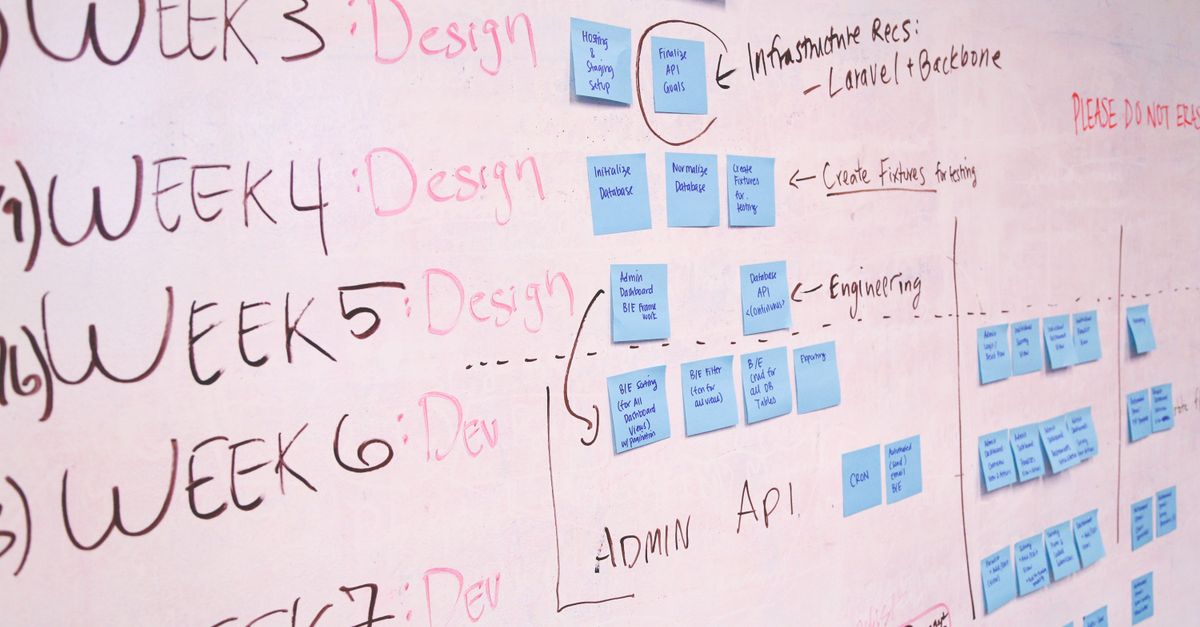
A video editor logs each round in a feedback tracker: what changed, who asked, when it was approved. The thread stays searchable instead of living across three message apps.

A copywriter runs an invoicing checklist at the end of each engagement. Deliverables confirmed, extra rounds noted, invoice sent inside a fixed window, so nothing sits half-finished between two projects.
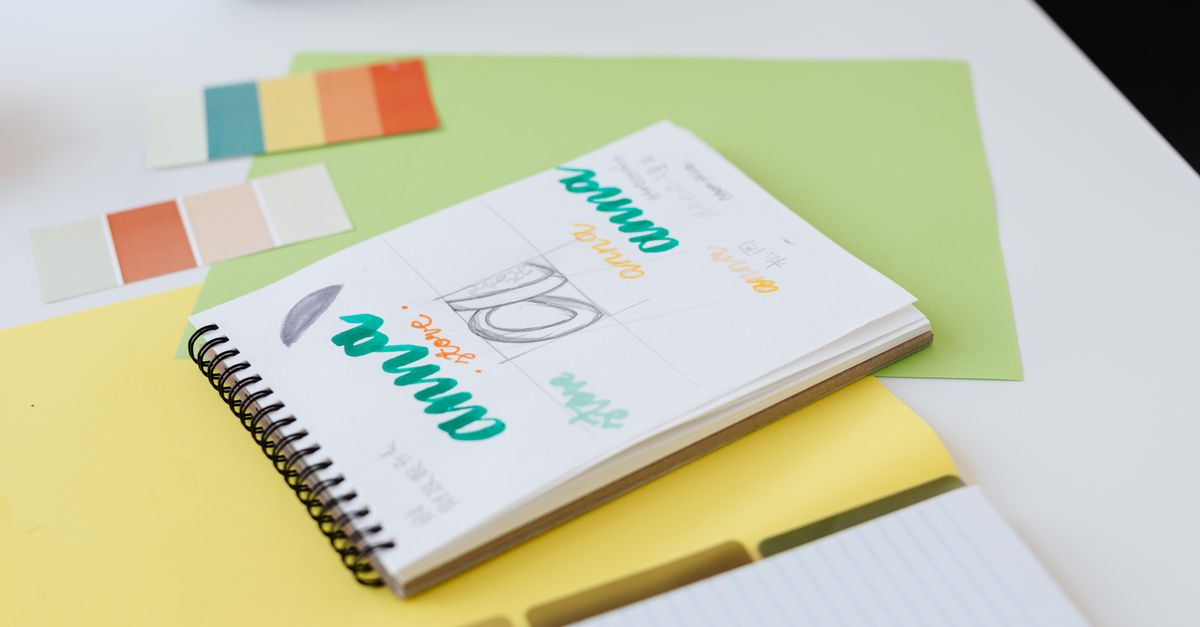
A two-person team holds approved logos, type files, and color references in a single organizer. Handoff to a client is a link, not a search through old drives.

Some tasks stay honest as a shared file. Others earn a lightweight app once the team grows past two people. The catalog marks which is which, so the choice is a decision, not a guess.
Each resource ships with plain-language setup notes and lifetime updates. If you want to see how the modules are grouped before picking one, the services overview walks through the catalog by task, and plans covers how the packs are organized by studio size.
We use cookies to keep the site working and to understand how it is used. You can accept or reject them. See our privacy policy for details.